10 Break-Out Sessions
[timetable id="9" column_title="0" filter_visible="1" filter_multiple="1" event_box_time="0"]
[timetable id="9" column_title="0" filter_visible="1" filter_multiple="1" event_box_time="0"]

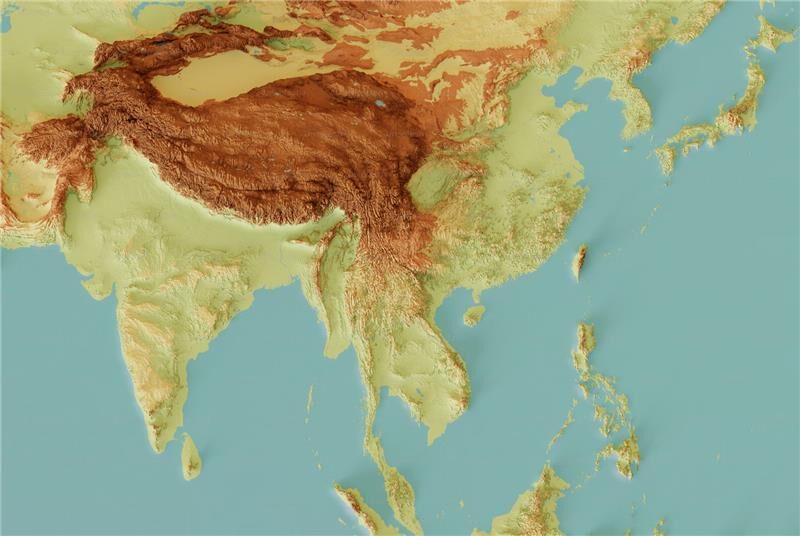
Asia is shifting from arena to actor. Europe’s influence depends on how it responds.
By Nico Luchsinger
Recent images from China—a regional summit followed by a military parade—suggest a world tilting east. Asia is not only driving global growth, but increasingly writing the rules. As economic historian Adam Tooze noted, it is both “the greatest generator of change and the greatest generator of solutions.”
What’s new is not just Asia’s importance, but its agency: The region is shifting from arena to actor. The technologies shaping our future, from AI to clean energy, will increasingy come from Asia. If we are to address climate change, the decisions will come from Beijing, Delhi, or Jakarta—not Washington or Brussels.
But “Asia” is no single force. Rivalries run deep: Between China and India, India and Pakistan, and many more. This makes it unlikely we’ll see a unified Asian pole. Instead, we are in an age of hedging—where countries seek shifting, overlapping partnerships rather than fixed alliances.
For Europe, and for Switzerland, this creates unease but also room to act. Influence today depends on recognizing Asian agency, engaging with empathy, and accepting that rules are shaped by others too. That’s not submission—it’s strategy.
So will the 21st century be remembered as Asia’s? We can’t yet know. But asking the question helps us how what is happening in Asia is influencing us.

Nico Luchsinger is the Executive Director of Asia Society Switzerland, an independent non-profit organization dedicated to fostering Asia Competence in Switzerland. He holds an M.A. in history and economics from the University of Zurich, and previously worked for Swiss newspaper Neue Zürcher Zeitung as a journalist, editor, and producer, reporting on issues like media and technology. He was a co-founder and CEO of the global entrepreneurial community Sandbox, and ran business development and strategy for Swiss startup Mila.