10 Break-Out Sessions
[timetable id="9" column_title="0" filter_visible="1" filter_multiple="1" event_box_time="0"]
[timetable id="9" column_title="0" filter_visible="1" filter_multiple="1" event_box_time="0"]
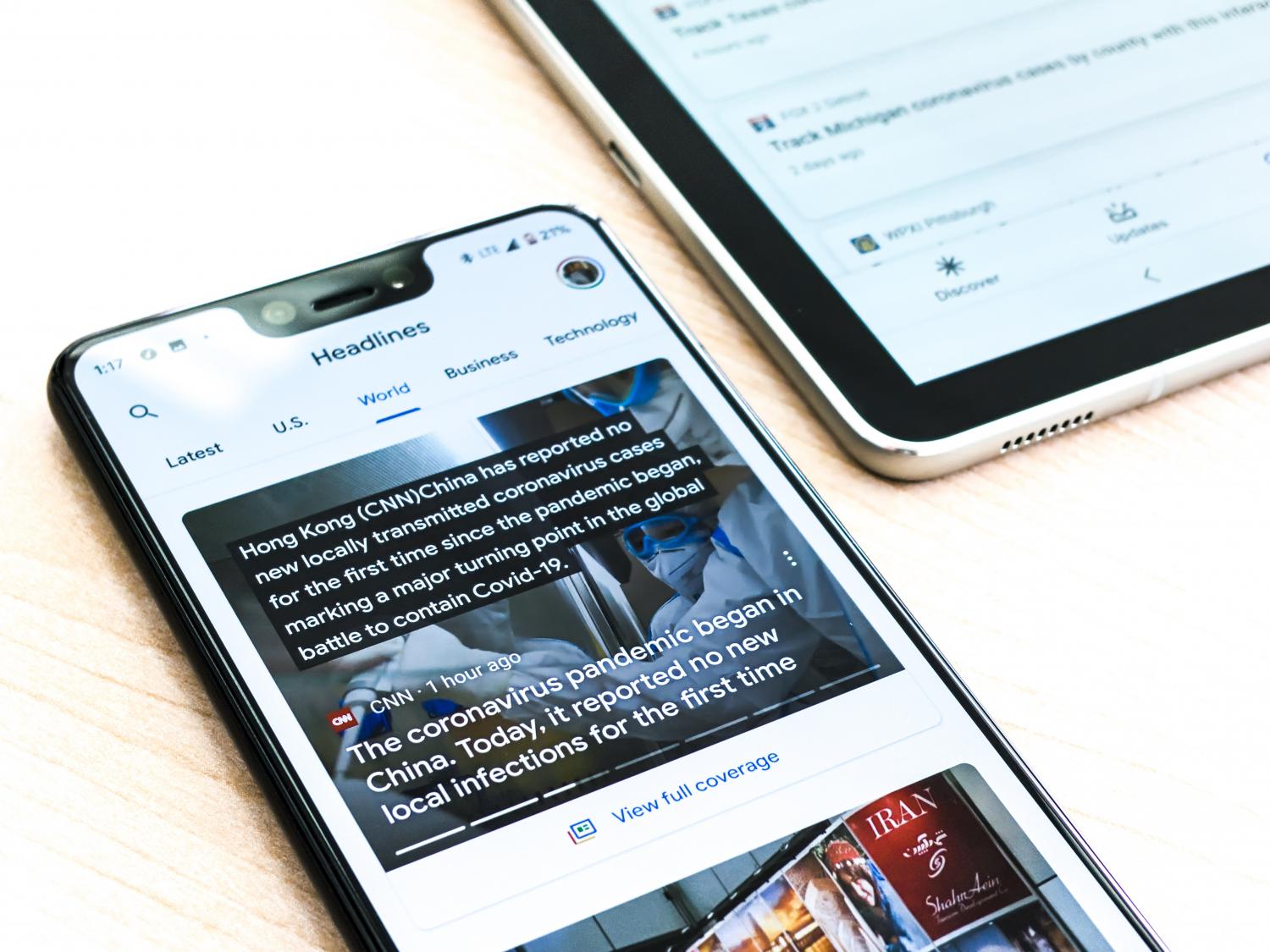
At the beginning of the pandemic, trust in media was bucking the general downward trend.
While stocks and confidence plummeted, trust in media surged. The Edelman Trust Barometer Spring Update in 2020 found that “the pandemic has driven trust news sources to an all-time high”. Readers were confident that journalists would be able to explain and analyse the impact of the virus. Journalists certainly delivered. With brilliant analyses, data-driven storytelling and live blogs they offered users a holistic view of the pandemic.
But after the initial uptick in trust, confidence began to slip. In February 2021, the same researchers that had assessed an “all-time high” in media trust noted that “the global infodemic has driven trust in all news sources to record lows”.
How did trust in media go from an “all-time high” to “record lows” in the span of less than twelve months?
In order to reverse the trend, we need to fully grasp what caused the decline. At the core is the wave of mis- and disinformation that readers faced across the globe. In March 2020, the UN declared a global ‘infodemic’. As then-Secretary of the WHO Tedros Adhanom Ghebreyesus noted, “we’re not just fighting an epidemic; we’re fighting an infodemic”. Misinformation, he concluded, “spreads fast and more easily than the virus”. And it spreads predominantly on social media networks.
So, how can media regain this lost trust? The first and most crucial part of the response is a no-brainer. Outlets need to continue their efforts to curb mis- and disinformation and to do so, work closely with the fact-checking community, for example the researchers that work with the International Fact Checking Network.
Recent research showed that fact-checkers have been working overtime since the start of the pandemic. Unfortunately, most fact-checking sites are still only available in a single language. What’s missing is a single multilingual platform that provides these fact-checks and corrections. Especially during a global pandemic, we would all benefit from a go-to platform for translated fact checks.
A second part of the strategy to regain trust will be a delicate recalibration of the relationship between news outlets and big tech companies. As I mentioned earlier, the main distributors of mis- and disinformation are social media networks. In a recent interview, Harvard’s Professor of Health Communication, Kasisomayajula “Vish” Viswanath, noted that “social media platforms are one of the most significant abettors to the spread of misinformation and disinformation”. Quantitative evidence, again from the Edelman Trust Barometer, finds that Google, Facebook, Apple and Twitter are the most distrusted sources of information. They are, however, also the most common source of news.
Herein lies the major challenge for media outlets in the year ahead. On the one hand, news outlets need to work with the social media giants to restore trust. The pandemic made it abundantly clear that publishers are increasingly dependent on the reach – and ads – of the big tech companies. There is no avoiding them, even if some journalists would prefer to do so.
The strategy needs to be about lobbying the Silicon Valley giants as the most trusted ‘content creators’ on their sites. While Twitter and Facebook have the users, the New York Times and Le Monde provide the quality content that users seek. Publishers need to leverage their power more to get the tech companies to actively combat misinformation and disinformation. They’re increasingly supported by governments and non-governmental watchdogs.
On the other hand, publishers need to maintain independence from big tech if they want to regain trust. A study of German publishers found that working closely with Facebook and Google raises suspicions among readers who doubt their impartiality. This balancing act will certainly affect the credibility of media outlets.
Aside from mis- and disinformation, I believe there’s a further factor that explains the decline in trust. One that really gets to the heart of journalism. During the pandemic, media has quite simply not been able to deliver all the answers that readers have been longing for. Leading outlets routinely revise reports as new scientific evidence pours in, making it harder for readers to ‘trust’ what they are reading. Reporting, even in the very best cases, mirrors the scientific and political debate – a constant back and forth on shifting ground and new territory. Not exactly a great foundation for trust-building.
Fortunately, post-pandemic life is now in sight. A return from crisis mode to the ‘new ‘normal’’ will hopefully reduce general uncertainty, fear and mistrust. And hopefully readers will then reward the brilliant work of journalists across the globe with the trust they deserve.