10 Break-Out Sessions
[timetable id="9" column_title="0" filter_visible="1" filter_multiple="1" event_box_time="0"]
[timetable id="9" column_title="0" filter_visible="1" filter_multiple="1" event_box_time="0"]

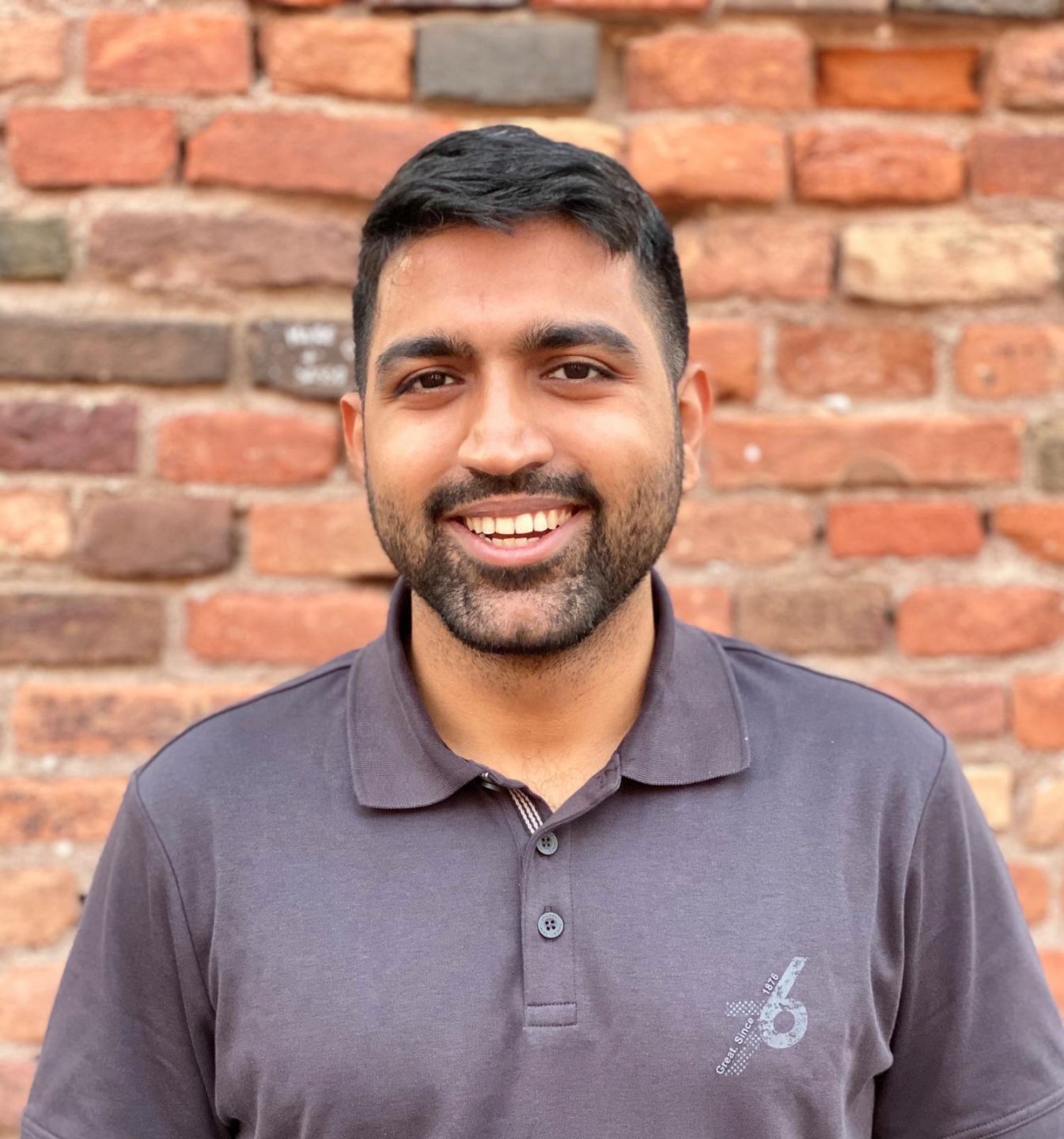
A month has passed since the 50th St. Gallen Symposium, and my reflections are still as fresh as the symposium experience itself. When I first heard of the Symposium, I had a choice to apply either as a judge of the essays (ETH Zurich and University of St Gallen PhDs are invited), or write a winning essay on the topic of ‘trust’ to participate as a graduate student. Obviously writing one essay seemed easier than judging 50 others, and the honor of ‘Leader of Tomorrow’ was an exciting proposition. I had no idea that the experience was going to be even more exciting.
My essay was “The Trust Tripod: Washing Trust in the WASH Sector”, which explored how the three legs of the tripod – public, government and businesses had to cooperate in order to deliver safe water and sanitation (WASH) for over half the world that’s currently left behind. It was selected, and I was invited to attend the symposium as a Leader of Tomorrow (LoT) along with 99 other winning entries. Unfortunately, the pandemic was showing no signs of retreat before May, for the event to happen at the same way as it used in last 49 years of the pre-COVID era. Despite living in Zurich, which was 59 minutes away by the punctual Swiss trains, I had to attend the much-awaited event, online.
On the four days of the symposium, my disappointment however turned to enthusiasm since the event was remarkably well organized and delivered all that it promised. Here is yet another tripod that captures my symposium experience.
The Virtual Switch:
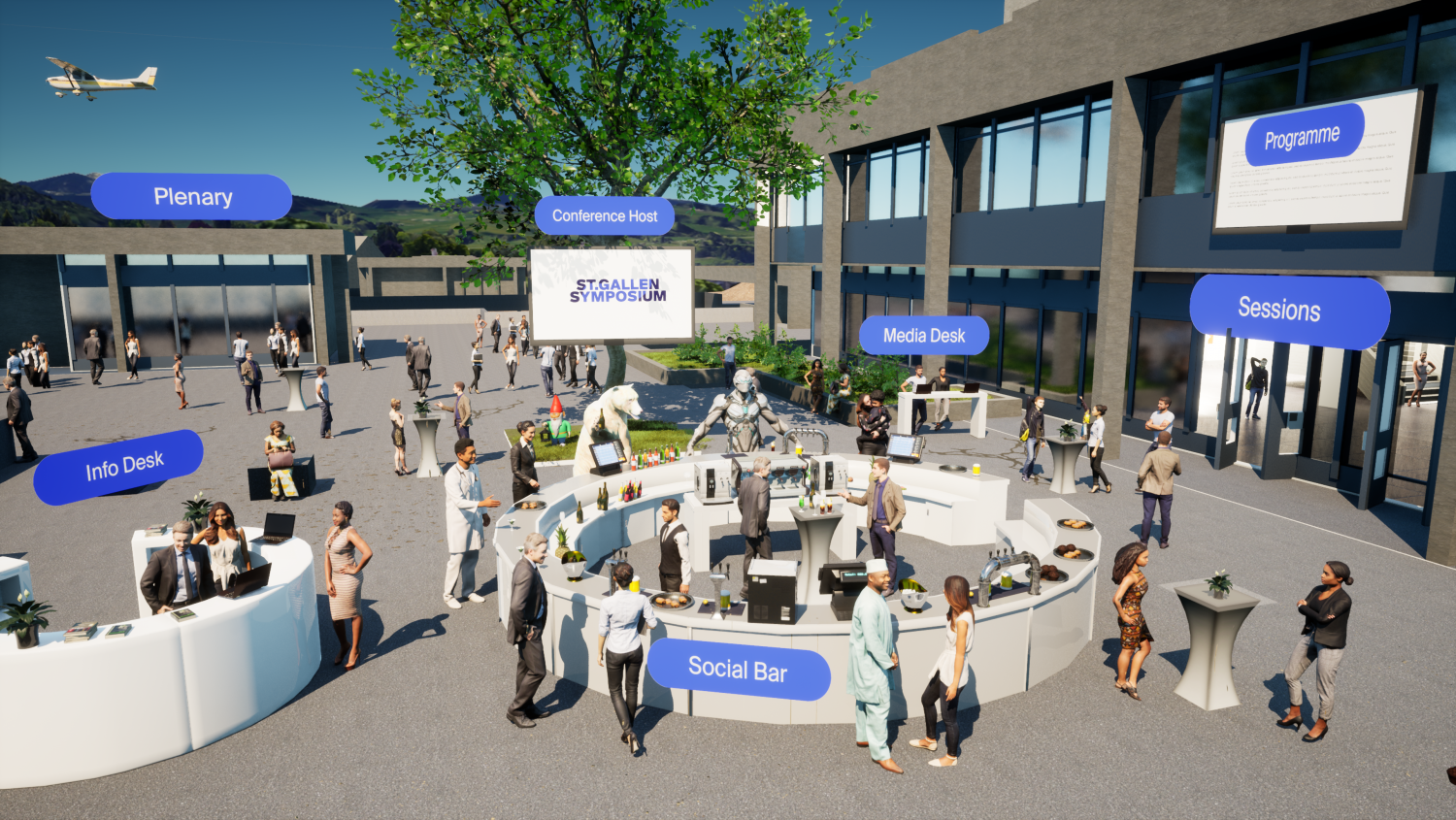
The entire event switched onto the virtual platform, which offered a seamless simulation of the real setting; from coffee tables to strike random discussions with fellow participants, to morning yoga sessions in the Abbey Library. The screening of the plenary events and the discussions were done in television studio quality with rare glitches.
The virtual switch also increased the reach of the symposium with talks streamed live directly from the Microsoft CEO’s office in Seattle or a fantastic panel of diplomats, activists and educationalists from Accra. This switch ensured that all the integral aspects of the symposium experience including networking opportunities, great speakers and even a Swiss goody bag were all kept intact.
Intellectual Stimulation:
The reason people look forward to the three days of the symposium is for the sheer exposure it offers by way of thought provoking discussions, groundbreaking ideas and next-generation best practices. The symposium also did not fail to bring world-class thought leaders from all walks of life including business and political circles. Three of the most significant ideas of the future that stuck with me are (i) Roshni Nadar’s hyperpersonalization of post-pandemic work, (ii) Michael Sandel’s tyranny of inequitable merit and (iii) Vas Narsimhan’s increased spending in preventive medicine.
Peer Interaction :
The metric to judge to any conference is its participants. On that scale, the St Gallen Symposium would in no doubt be among the top. In this case, it is not just the speakers who were accomplished, but also the Leaders of Tomorrow, Aspiring Leaders and other delegates. I had the opportunity to meaningfully connect with peers who were doing fascinating work; for example a PhD student who worked on creating edible food packaging, and an Indonesian entrepreneur who is working towards getting every graduate in her country employed. That is just two of many more inspiring young people that I met, who are all set to make a significant sustainable impact in the world. This peer network have been quite active post the Symposium on WhatsApp chats, LinkedIn groups, has regular Zoom calls, and even in-person meet ups, where that is possible.
While I might still want to experience the magic of the St. Gallen Symposium in person in 2022, the virtual symposium at the comfort of my couch, in the middle of a pandemic, did not disappoint. It is amazing how a set of students pull off organizing such a large-scale event that leaves everyone inspired. Kudos to the ISC team for curating this experience!
In any case, the dialogue continues, and I certainly trust that this will only get even better in a post-pandemic world.


